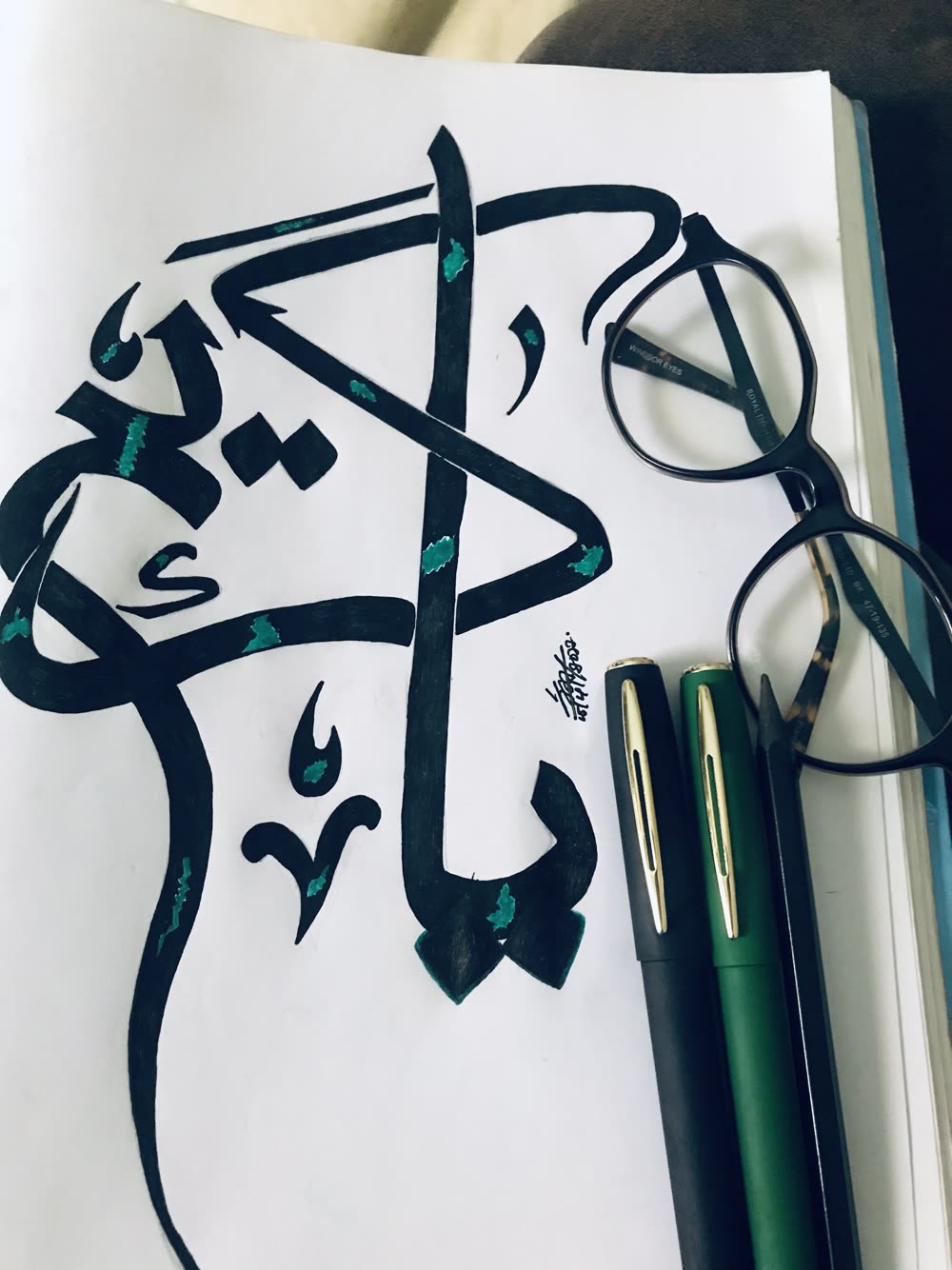
RTL is a layout, not a mirror
Flipping an English layout produces a site that reads right-to-left but still thinks left-to-right: navigation that feels backwards, forms that fight the eye, carousels that move the wrong way.
Arabic-first layouts are composed for the Arabic reader from the first sketch: the eye lands where Arabic readers expect it, and the hierarchy works in Arabic before English is ever added.
Type and numbers carry trust
Arabic typography is not a font swap. Line height, letter spacing, and the choice of typeface decide whether a page feels premium or pasted. Numbers need the same care: prices, dates, and phone numbers must read naturally in both languages.
Mixed content is the norm in Gulf commerce — an English brand name inside an Arabic sentence, a product code next to an Arabic description. The design has to handle that mix without breaking the line.
Checkout must speak the customer's language
Trust is thinnest at checkout. If the payment labels, the shipping options, and the confirmation message switch to English at the moment of paying, doubt creeps in — and doubt abandons baskets.
Mada, Apple Pay, Tabby and Tamara must appear with the names and marks your customer recognises, in Arabic, on a page that feels like it was built for them. Because it was.
✦